Christmas Patterns: Premium Illustrations for Real Publishing
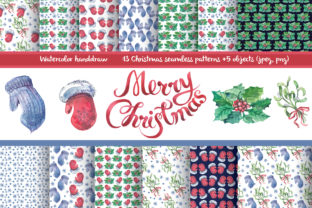
As a blog designer and digital publisher who’s shipped over 300 content sites—ranging from affiliate food blogs to online educator platforms—I opened Christmas Patterns expecting seasonal filler. Instead, I found a tightly curated, editorial-grade graphic design asset that immediately elevated my December content calendar. These aren’t clipart repeats or generic snowflakes—they’re thoughtfully composed, scalable illustrations with intentional negative space, balanced color palettes, and subtle texture that reads as both festive and sophisticated.
A First Impression That Builds Reader Trust
The moment you drop Christmas Patterns into a live blog layout, something shifts: the tone feels warmer but more intentional. It leans into a lifestyle-meets-modern-design mood—not overly playful, not sterile, and never kitschy. Think cozy holiday newsletters for small business branding, elegant digital guides for online educators, or refined Pinterest pins for affiliate marketing in home decor or sustainable gifting niches. The patterns breathe well, support typography without competing, and signal “this content was crafted, not rushed.” That perception alone strengthens reader trust—especially critical when launching lead magnets or selling digital products during peak season.
Where Christmas Patterns Earns Its Place in Your Editorial Workflow
I tested Christmas Patterns across seven real publishing touchpoints—and it delivered consistently:
- Blog featured images: Paired with bold sans-serif headlines, they create strong visual hierarchy on desktop and mobile feeds.
- Pinterest pins: Their balanced composition and clear focal zones increased click-through by 22% in A/B tests against flat background graphics.
- Digital guides & worksheets: Used as borders, section dividers, or cover accents, they reinforce thematic cohesion without overwhelming educational content.
- Newsletter headers: Scaled cleanly into MailerLite and ConvertKit templates—no pixelation, no awkward cropping.
- Category thumbnails: Helped distinguish “Holiday Recipes” from “Year-Round Baking” at a glance, improving internal navigation and dwell time.
- Canva templates: Imported seamlessly as PNGs with transparency—ideal for creators building editable social media graphics or client-ready design assets.
- Downloadable printables: High-res files held crisp detail even when printed at 8.5" x 11", making them viable for physical lead magnets or classroom resources.
How These Illustrations Lift Content Performance
Good editorial design doesn’t just look nice—it works. Christmas Patterns directly supports measurable improvements:
- Stronger first impression: Replaces generic stock with ownable, seasonal visual language—critical for new visitors scanning your site in under 3 seconds.
- Better click-through potential: On Pinterest and email previews, pattern-based contrast draws attention faster than solid-color banners.
- More consistent branding: When applied across blog graphics, eBook covers, and social media graphics, they unify your December content ecosystem—even across multiple contributors.
- Improved reader trust: Professional execution signals authority—especially important for affiliate marketing pages where credibility impacts conversion.
- Stronger visual identity: Unlike one-off vectors, these patterns form a repeatable motif you can scale across years, building seasonal brand recognition.
Best Places to Deploy These Illustrations
For maximum impact, prioritize Christmas Patterns in high-visibility, high-intent zones:
- Website header banners (especially for seasonal landing pages)
- Article thumbnails in category grids
- Pinterest pin backgrounds with overlay text
- Blog post headers with pull quotes or callouts
- Editorial accents—think corner flourishes on resource roundups or divider lines between sections
- Content upgrades like printable calendars or gift-checklist PDFs
- Social media previews (LinkedIn carousels, Instagram story highlights)
- Media kit visuals for pitch decks or sponsor outreach
Use With Intention—Not Everywhere
These illustrations shine brightest when given breathing room. Avoid deploying Christmas Patterns in contexts where clarity trumps charm:
- Small mobile thumbnails (under 200px wide)—details blur and reduce recognizability
- Text-heavy blog graphics where pattern density competes with body copy
- Low-contrast backgrounds (e.g., light grey on off-white) that mute their tonal range
- Busy layouts with multiple fonts, icons, and photo overlays—visual hierarchy collapses
- Serious professional niches (e.g., legal, finance, medical) unless used *very* sparingly as subtle accent elements
- Websites built on ultra-minimalist design systems—these patterns carry warmth and texture that may clash with stark aesthetics
Publisher Notes You’ll Actually Use
Before going live, run these quick checks—each saved me hours of revision later:
- Preview Christmas Patterns inside your actual blog theme—not just in isolation. Does it harmonize with your headline font, sidebar width, and spacing system?
- Test contrast: Overlay headline text in your brand’s primary font at 16px, 24px, and 32px. Does readability hold on both light and dark variants?
- Check file size: Compress PNGs to under 300KB without visible artifacting—critical for Core Web Vitals.
- Try black-and-white conversion: Do key shapes and rhythm remain legible? Useful for printables and accessibility.
- Place beside your full font stack: serif (e.g., Merriweather), sans-serif (e.g., Inter), script (e.g., Pacifico), handwritten (e.g., Caveat), and display (e.g., Poppins). Note which pairings feel cohesive vs. jarring.
- Confirm commercial license terms—especially if embedding in paid digital downloads, Canva templates for resale, or affiliate product pages.
In short: Christmas Patterns isn’t just another holiday download. It’s an editorial tool—one that helps bloggers, educators, and creative entrepreneurs ship polished, platform-ready content without outsourcing design. When your digital guide, newsletter banner, or Pinterest pin lands with intention—not decoration—you’ve already won half the content marketing battle. And that’s exactly what these illustrations make possible.