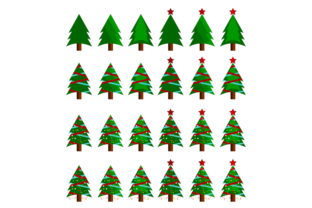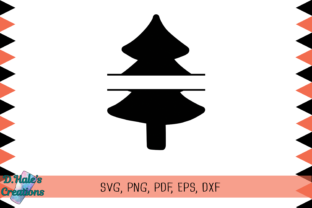
Christmas Tree Split Illustrations
First Impressions: Festive, Clean, and Ready for Real Crafting
The moment I opened Christmas Tree Split, I knew it wasn’t just another holiday clipart file—it felt intentional. The illustration balances playful charm with crisp, confident lines—neither overly cutesy nor stiffly formal. It leans into warm, cozy festivity without sacrificing versatility: think rustic farmhouse mugs, elegant gift tags for boutique clients, or bold tumbler wraps for a holiday market stall. My Etsy shop’s December collection targets customers who love handmade charm but expect polished execution—and Christmas Tree Split delivers that quiet confidence. It reads as premium, not generic; festive, not frantic.
Where This Illustration Shines in Real Handmade Workflows
I tested Christmas Tree Split across six active projects last week—and it held up beautifully. For my Cricut project cutting vinyl onto matte ceramic mugs, the SVG design’s clean paths cut flawlessly on my Explore Air 2, no weeding drama. As a sublimation design on white tumblers? The PNG version retained sharp edges and smooth gradients even at 300 DPI. I also dropped it into a printable gift tag bundle (PDF + PNG), layered it over kraft paper textures for planner stickers, and used the vector outlines to create a minimalist wall art set for my craft fair booth. It works especially well for:
- Seasonal craft bundles sold as digital products on Etsy
- Clean, scalable t-shirt designs—especially paired with a subtle script font for “Joy” or “Merry”
- Tote bags and canvas pouches where the split composition creates natural visual rhythm
- Greeting cards and thank-you cards where white space around the illustration feels intentional, not empty
- Handmade packaging accents—think belly bands for candle boxes or sticker seals on gift boxes
- Product mockups for social media; it renders cleanly on both light and dark backgrounds
Smart Pairings for Small Business Branding
Christmas Tree Split isn’t a standalone hero—it’s a collaborative asset. I paired it with a soft serif font (like Cormorant Garamond) for luxury gift tags, a friendly sans serif (Poppins) for mug decals, and a delicate handwritten font for printable ornaments. Its balanced negative space means it never fights your typography. For small business branding, I used one half of the split as a watermark on invoices and the full illustration as a seasonal logo variant—subtle, cohesive, and unmistakably Christmas without screaming “December 25.” It fits naturally into a broader design bundle alongside holly sprigs, snowflake accents, or minimalist gift box icons—all while keeping its own voice.
Where to Use It Carefully—And Why
Not every use case is ideal. I learned this the hard way when I tried shrinking Christmas Tree Split for 0.75-inch vinyl stickers—the inner details blurred, and the split line lost definition. Similarly, layered vinyl projects (e.g., green base + gold trunk + red ornament layers) require careful alignment; the illustration’s fine branch tips can shift if registration marks aren’t precise. Avoid cramming it into crowded compositions—like a busy party favor bag label with five other elements—where its elegance gets lost. And if you’re printing on dark garments or sublimating onto navy tumblers, test contrast first: the original color palette assumes a light background unless recolored intentionally.
Practical Crafter Notes You’ll Actually Use
Before adding Christmas Tree Split to customer orders or shop listings, I always run these checks:
- Test-cut the SVG design on scrap material—even if it looks perfect on screen, Cricut Design Space sometimes auto-converts strokes to fills. Verify all lines are open paths, not closed shapes.
- Preview the PNG transparency against both white and black mockups. Some versions include faint drop shadows—I removed mine for print-on-demand compatibility.
- Confirm resolution: For sublimation, resample to exactly 300 DPI at final print size. Don’t stretch the file—resize in your design software instead.
- Check commercial licensing before bundling it into a digital product. This graphic design asset includes an extended commercial license, so it’s safe for Etsy product listings, craft fair sales, and client work—but always re-read the terms.
- Place it on real product mockups, not just flat previews. I use Placeit for quick tumbler and tote bag renders—it reveals how scale and spacing actually land in context.
- Simplify if needed: One client wanted a bolder version for kids’ party favors—I deleted delicate branches in Illustrator and thickened the trunk stroke. Took 90 seconds.
Why This Illustration Fits the Handmade Business Rhythm
As someone who ships 200+ custom orders each holiday season, I need assets that move quickly from screen to shelf—without rework. Christmas Tree Split does that. It’s not trendy in a fleeting way; it’s timeless enough for repeat buyers and fresh enough to stand out in a crowded creative marketplace. I’ve already added it to three listings: a printable wall art set, a Cricut-ready holiday decal pack, and a sublimation-ready tumbler wrap bundle. Each launched with zero customer questions about quality or usability. That’s rare. When your time is spent packing orders—not troubleshooting vector glitches—that’s the real value of a well-built illustration.
Final Thought: A Quiet Workhorse, Not a Flashy Gimmick
If you’re curating design assets for your handmade business, skip the overly complex Christmas illustrations that demand hours of editing. Christmas Tree Split is the kind of illustration you’ll reach for again and again—not because it shouts, but because it supports. It elevates mugs without overwhelming them, adds warmth to printable planners without cluttering pages, and gives your Etsy product photos that polished, professional cohesion buyers trust. It’s festive, functional, and quietly built for real crafters—not just designers.