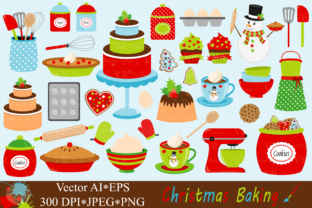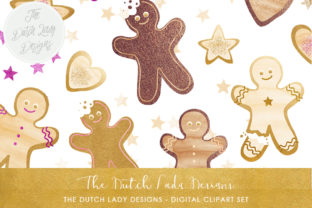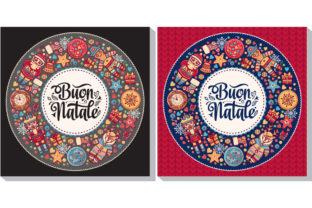
Christmas Vector Trees Clipart for Holiday Design
First Impressions and Visual Mood
The Christmas Vector Trees Clipart immediately evokes a warm, festive atmosphere. Its clean lines and classic tree shapes suggest a timeless design that aligns well with holiday branding. The illustration feels both modern and nostalgic, making it versatile for various creative projects. This asset is ideal for designers working on seasonal campaigns or small business branding that needs a touch of holiday cheer without being overly busy.
Design Context and Client Use Cases
As a designer preparing visuals for a handmade brand launching a holiday product line, I found the Christmas Vector Trees Clipart to be a valuable addition. It can support everything from logo design to packaging elements, helping to create a cohesive visual identity. Whether it's for a boutique product line, Etsy shop, or print-on-demand project, this clipart offers a reliable source of festive imagery that can be tailored to fit different styles and audiences.
Visual Performance in Real Design Situations
The Christmas Vector Trees Clipart performs well in a variety of design scenarios. It works effectively in logo design when paired with minimalistic typography, enhancing the visual hierarchy without overwhelming the viewer. In brand identity projects, it can serve as a recurring element in marketing visuals, reinforcing the brand’s seasonal theme. For packaging design, the clipart adds a decorative accent that complements product labels and promotional materials.
When used in social media graphics, such as Instagram posts or Pinterest pins, the clipart helps create eye-catching content that aligns with the holiday mood. It also integrates smoothly into Canva templates, Cricut projects, and sticker designs, offering flexibility for digital and printable assets. For web design and editorial layouts, the illustration maintains its clarity and appeal across different formats and resolutions.
Best Use Cases for the Asset
The Christmas Vector Trees Clipart excels in large layout areas, hero graphics, and product mockups where it can act as a central visual element. It works well as a decorative accent in themed collections and campaign visuals, adding depth and character without competing with other design elements. When used in packaging details or printable wall art, it contributes to a cohesive and professional look that enhances the overall design experience.
Areas to Use with Caution
However, there are situations where the clipart may not perform as well. At small sizes, the intricate details can become less visible, potentially affecting readability. In crowded layouts or complex backgrounds, the clipart might blend in too much or distract from the main message. It’s also not ideal for minimalist branding or professional corporate materials where simplicity and clarity are key.
Additionally, using the clipart in low-contrast designs or alongside very clean visual hierarchies could dilute the intended impact. For projects that require a strong, unambiguous visual structure, the Christmas Vector Trees Clipart should be used sparingly or modified to better fit the context.
Impact on Readability and Brand Consistency
The clipart has a positive effect on readability when used appropriately. It adds a festive touch that enhances emotional appeal and audience engagement, particularly for seasonal campaigns. However, designers must ensure that the clipart does not interfere with the visual hierarchy or compromise the brand’s consistency. When integrated thoughtfully, it can reinforce the brand’s identity and create a more polished final result.
From a visual trust perspective, the clipart contributes to a sense of professionalism and quality, especially when used in commercial design assets like print-on-demand products or Etsy listings. It supports the overall impression of a well-designed project, helping to build credibility and recognition among target audiences.
Practical Designer Notes
Before using the Christmas Vector Trees Clipart commercially, it’s essential to test it in black and white to ensure it maintains its visual appeal in monochrome contexts. Checking contrast on both light and dark backgrounds will help determine how well it integrates with different color schemes.
Previewing the clipart at small and large sizes is crucial to assess its performance across various applications. Placing it on real mockups, such as product packaging or website layouts, provides a realistic view of how it will appear in the final design. Testing print quality is also important, especially for physical products like t-shirts, mugs, and tote bags.
Reviewing file formats and inspecting PNG transparency if included ensures compatibility with different design tools and platforms. If SVG files are available, checking their editability can provide additional flexibility for customization. Comparing the clipart with different font styles—such as serif, sans serif, script, and display fonts—helps determine its versatility in various design contexts.
Finally, confirming the commercial license is a critical step before using the asset for a client or business project. Ensuring proper licensing rights guarantees that the design remains compliant and protects both the designer and the client.